FATF Report Details Global Gambling Risks Through Input From Over 80 Jurisdictions
Yves Zimmermann · Sep 10, 2026

FATF Report Details Global Gambling Risks Through Input From Over 80 Jurisdictions
Study Scope and Methodology
The Financial Action Task Force conducted a year-long examination of gambling sector vulnerabilities that gathered data from more than 80 jurisdictions, and the resulting document serves as a practical supervisory checklist for both regulators and operators who need to identify potential exposure points in their systems. Observers note that this approach allows authorities to cross-reference existing controls against documented patterns without requiring entirely new frameworks from scratch.
Researchers compiled findings across multiple regions and regulatory environments, which means the checklist reflects a broad spectrum of operational realities rather than isolated national experiences. Those who've reviewed similar intergovernmental outputs often find that such breadth helps smaller jurisdictions align their practices with larger ones that already maintain extensive monitoring protocols.
Key Distinctions Between Online and Land-Based Sectors
The report places particular emphasis on elevated risks within the online gambling space, where documented cases of terrorist-financing misuse outnumber those recorded in land-based casinos. Regulators receive specific indicators that highlight how digital platforms can facilitate faster transaction flows, and operators gain guidance on implementing layered verification steps at account creation and during high-volume activity periods.
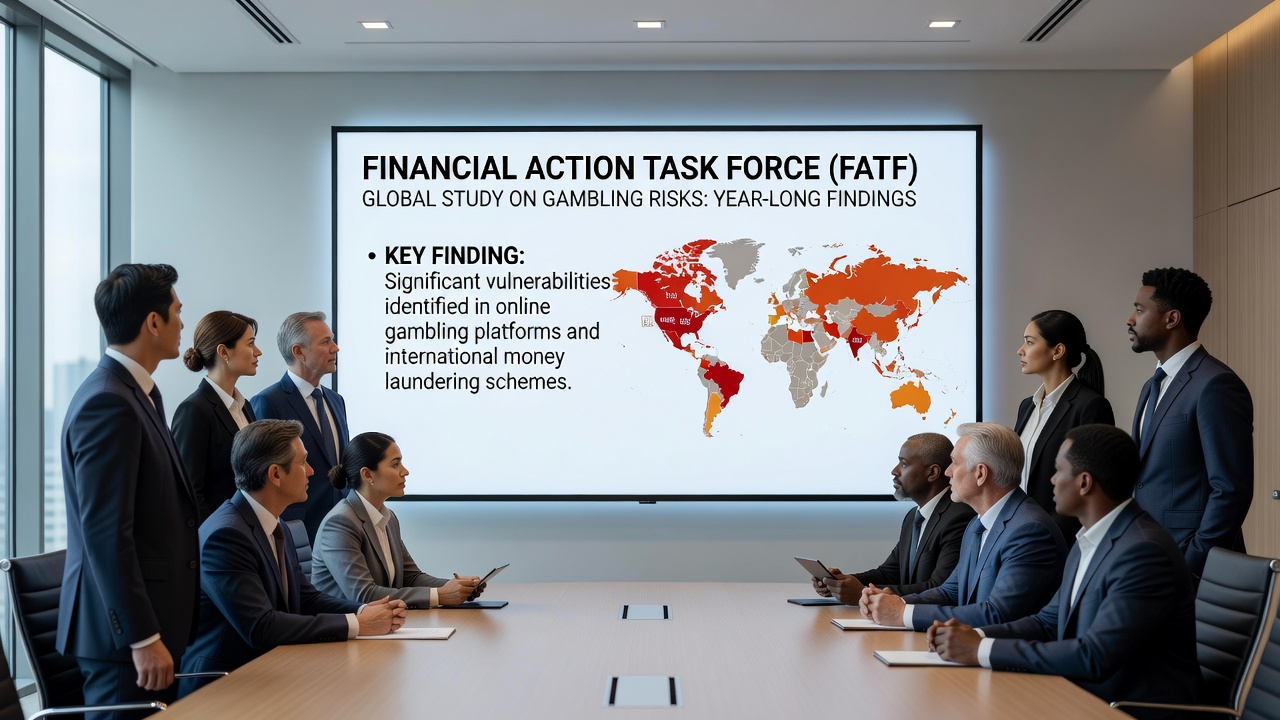
Land-based facilities, by contrast, present different risk profiles tied to physical cash handling and on-site customer interactions, yet the study shows these environments have generated fewer confirmed terrorist-financing incidents according to the aggregated data. Experts have observed that the checklist encourages operators in both sectors to map their customer due-diligence processes against the listed red flags, which range from unusual betting patterns to inconsistent identification documentation.
Practical Applications for Regulators and Operators
Supervisory bodies can integrate the checklist into routine examinations, and this integration supports consistent evaluation across jurisdictions that participated in the study. Operators receive structured prompts that prompt internal audits of transaction monitoring systems, especially those handling rapid deposits and withdrawals common in online environments.
One study revealed that jurisdictions already using similar checklists reported improved detection rates for suspicious activity, while others without prior alignment noted gaps that the new guidance directly addresses. The reality is that the document functions less as prescriptive regulation and more as a reference tool that each authority can adapt to its existing legal structure.
September 2026 Context and Ongoing Implementation
By September 2026 many participating jurisdictions had begun incorporating elements of the checklist into their annual compliance reviews, and this timing aligns with broader updates to anti-money-laundering standards that several countries had scheduled independently. Data indicates that early adopters focused first on online platforms because the report explicitly flags higher incident volumes in that segment compared with traditional casino floors.
Those who've studied prior FATF outputs know that follow-up evaluations often occur within 18 to 24 months, so observers expect progress reports on checklist adoption to appear in subsequent plenary meetings. The intergovernmental body maintains its reports on fatf-gafi.org, where authorities and operators can access the full text for detailed reference.
Conclusion
The year-long global study equips regulators and operators with a consolidated set of indicators drawn from more than 80 jurisdictions, and its emphasis on online sector risks provides a clear focal point for resource allocation. Figures reveal that terrorist-financing misuse appears more frequently in documented online cases than in land-based settings, which directs attention toward digital transaction controls while still requiring vigilance across all gambling formats. The checklist format supports practical application without mandating uniform rules, allowing each jurisdiction to calibrate its response according to local conditions and existing frameworks.